
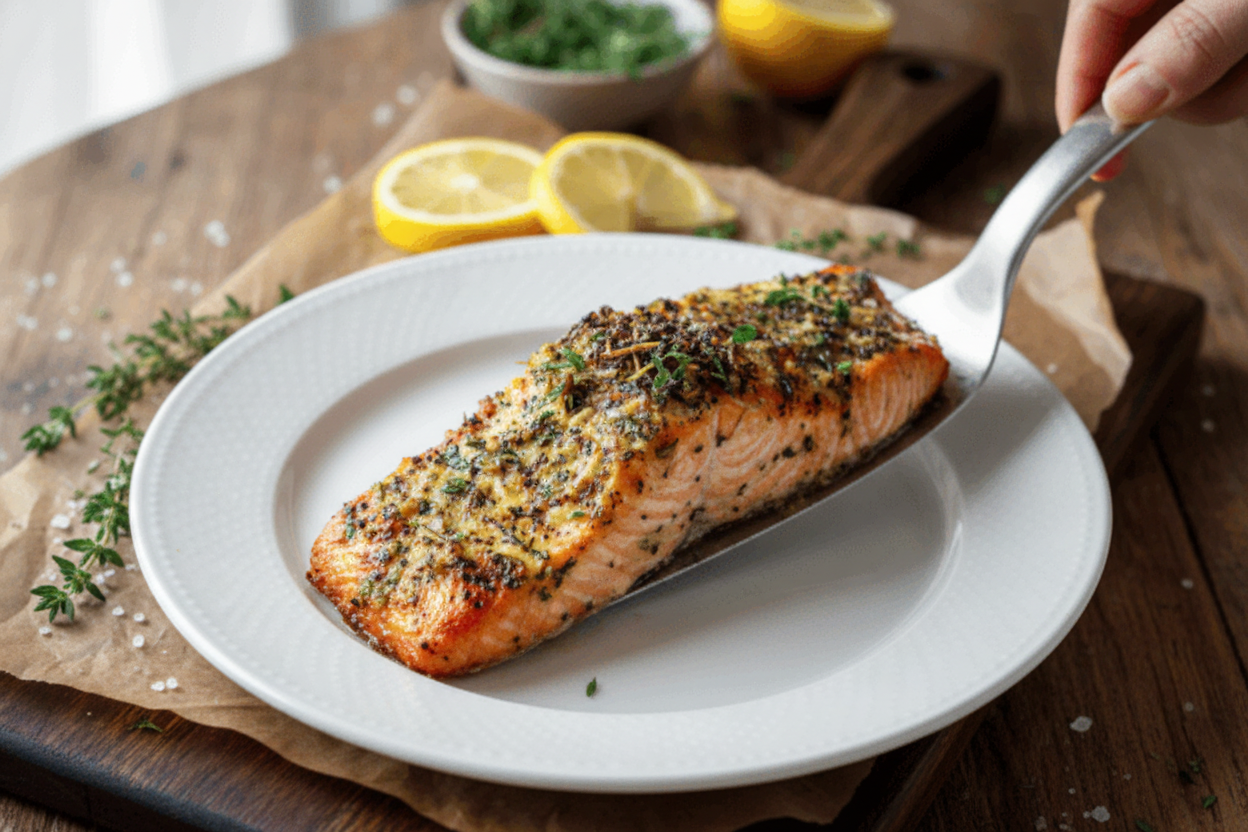
The Night I Burned the Salmon (and Learned Something)
The first time I made this, I was not paying attention. I was on the phone with my sister, and the smoke alarm went off. My kitchen smelled like a campfire, not dinner. I still laugh at that. That burnt fish taught me a lesson. You really need to watch the timer. Salmon cooks fast, like 12 minutes fast. My kids teased me for a week. They called it “blackened salmon” and not in a good way. Have you ever had a kitchen disaster that turned into a funny story?Why This Little Sauce Does Big Things
This recipe is just five simple ingredients. Mustard, oil, honey, lemon, and garlic. That is it. No fancy things from a specialty store. Why this matters: Real food does not need to be complicated. A good sauce can turn plain fish into something special. You are not cooking to show off. You are cooking to feel good and feed the people you love. The honey is sweet, the mustard is tangy, and the lemon wakes everything up. Doesn’t that smell amazing?How My Grandma Picked Salmon (It’s a Short Story)
My grandma lived by the ocean. She would walk down to the dock every Friday morning. She would poke the fish with her finger to see if it was fresh. If it bounced back, she bought it. If it left a dent, she walked away. I do not have a dock. But I look for fillets that are bright orange-pink and smell like the clean sea, not “fishy.” That simple rule has never let me down. What is one food rule you learned from an older relative?The Magic Trick Nobody Talks About
Here is a tiny detail that changes everything. Let the salmon rest for a minute after it comes out of the oven. It gives the juices time to settle back into the fish. If you cut it right away, all that goodness runs onto the plate. *Fun fact: Salmon is one of the few fish that stays pink even after it is cooked. That color comes from something in their diet called astaxanthin. It is the same stuff that turns flamingos pink. So you are basically eating like a flamingo. Pretty cool, right?*How to Tell When It’s Done (No Thermometer Needed)
You can use a fancy thermometer if you want. I use a fork. Gently poke the thickest part of the fillet. If the flesh separates into big, flaky pieces, it is ready. If it still looks dark and shiny in the middle, give it another minute. Why this matters: Overcooked salmon is dry and sad. Undercooked salmon is not safe to eat. Learning to use your eyes and a fork will make you a better cook than any gadget. What is one kitchen skill you wish someone had taught you when you were younger?The Easiest Side Dish for a Busy Night
While the salmon bakes, I boil some rice or steam some broccoli. That is it. The whole dinner is ready in about 20 minutes. Some nights I even put the broccoli right in the baking dish next to the fish. It soaks up the extra mustard sauce. That one-pan trick saves me from washing a million dishes. And it tastes like the vegetables were planned all along. I am not telling if you are not.Ingredients:
| Ingredient | Amount | Notes |
|---|---|---|
| Salmon fillets | 4 (6 oz each) | |
| Dijon mustard | 4 tablespoons | |
| Olive oil | 2 tablespoons | |
| Honey | 1 tablespoon | |
| Fresh lemon juice | 1 tablespoon | |
| Garlic | 2 cloves | minced |
| Salt | to taste | |
| Pepper | to taste | |
| Fresh parsley or dill | for garnish | optional |
My Grandma’s Secret to Perfect Salmon
I remember the first time I tried to cook fish. I was scared it would turn out dry and sad. My grandma just laughed and showed me this simple trick with Dijon mustard. Now I make it all the time for my family. Doesn’t that smell amazing while it bakes?
This recipe is forgiving, even for a beginner. The mustard and honey create a golden crust that keeps the salmon moist inside. I still laugh at how I used to overcook fish until it flaked into a million pieces. You won’t have that trouble here. Ready to give it a go?
Here is what you need: four salmon fillets, Dijon mustard, olive oil, honey, lemon juice, garlic, salt, and pepper. Fresh parsley or dill is nice for garnish, but totally optional. I often skip it when I am in a hurry. (Hard-learned tip: Do not skip the lemon juice—it wakes up all the flavors!) Now, let’s cook together.
Step 1: Preheat your oven to 400°F (200°C). While it heats up, take your salmon out of the fridge. Let it sit for five minutes so it cooks evenly. I like to pat the fillets dry with a paper towel. This helps the sauce stick better.
Step 2: In a small bowl, whisk together 4 tablespoons Dijon mustard, 2 tablespoons olive oil, 1 tablespoon honey, 1 tablespoon fresh lemon juice, and 2 minced garlic cloves. I usually taste the sauce with a clean finger. It should be tangy and a little sweet. Does that sound good to you?
Step 3: Place your salmon fillets in a baking dish, skin side down. Sprinkle them lightly with salt and pepper. I once forgot the salt and my family teased me all dinner. (Hard-learned tip: Season the fish, not just the sauce!) Now brush the Dijon mixture all over each fillet. Make sure every piece is covered.
Step 4: If you want extra moist salmon, loosely cover the dish with aluminum foil. This traps steam and keeps the fish tender. I usually skip the foil for a crunchier top. It is totally your choice. Pop the dish into the oven for 12 to 15 minutes.
Step 5: Check if the salmon is done by pressing it gently with a fork. It should flake easily and look opaque in the center. Take it out of the oven and let it rest for a few minutes. I always peek under the foil and say, “Look at that beauty!” Garnish with parsley or dill if you have it.
Step 6: Serve the salmon warm with your favorite sides. Steamed veggies or rice are perfect for soaking up the extra sauce. My granddaughter always asks for extra lemon slices on the plate. What is your go-to side dish for fish? Share below!
Cook Time: 12–15 minutes
Total Time: 20 minutes
Yield: 4 servings
Category: Dinner, Seafood
Three Fun Twists to Try
Once you master this basic recipe, you can play around a bit. I love changing the flavors depending on my mood. Here are three easy ideas to get you started.
Spicy Kick Twist: Add a pinch of cayenne pepper or a squirt of sriracha to the mustard sauce. It gives the salmon a warm, tingly heat that my husband loves.
Herb Garden Twist: Stir in a tablespoon of fresh chopped dill or chives into the sauce. You can also sprinkle dried thyme on top before baking. It tastes like springtime on a plate.
Maple Swap Twist: Replace the honey with pure maple syrup for a deeper, woodsy sweetness. This one is perfect for a cozy fall dinner with roasted squash.
Which one would you try first? Comment below!
How to Serve and Sip
This salmon is beautiful on its own, but I love to dress up the plate. Serve it over a bed of fluffy rice or alongside bright green steamed broccoli. A squeeze of extra lemon right before eating makes everything pop.
Another idea is to place the fillet on a pile of mixed greens with cherry tomatoes and cucumber. It turns into a lovely dinner salad. For a fancier look, sprinkle the fish with fresh dill and thin lemon slices.
For drinks, a tall glass of cold lemonade or iced tea matches the tangy flavors perfectly. If you are serving adults, a crisp white wine like Sauvignon Blanc is a classic choice. The bright acidity cuts through the rich fish. Which would you choose tonight?
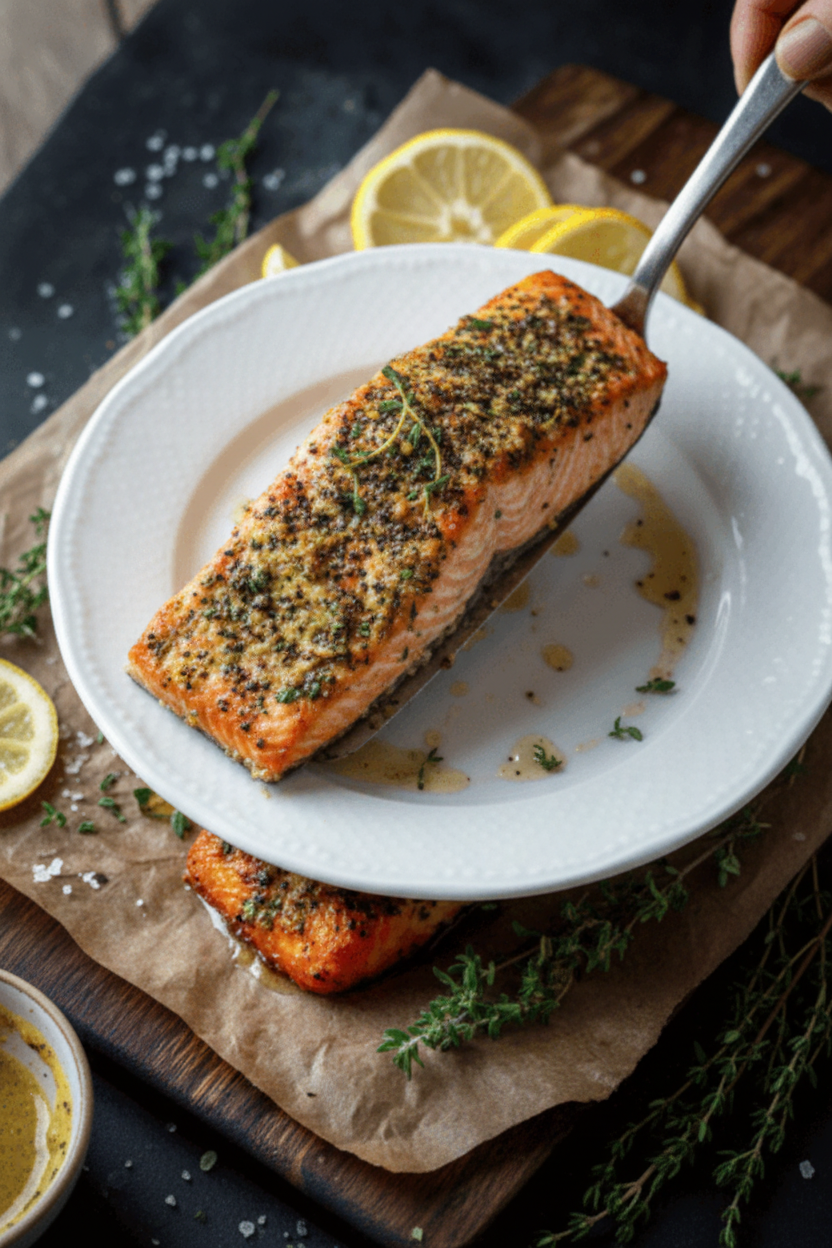
Storing and Reheating Your Salmon
Leftover salmon is a gift. I always make extra fillets on purpose. Let them cool completely before wrapping them tight in foil or plastic wrap. Pop them in the fridge for up to three days.
For freezing, wrap each fillet in plastic wrap. Then slide them into a freezer bag. They stay good for about a month. I remember the first time I froze this salmon, I forgot to label it. My husband found it weeks later and called it “mystery fish.” We laughed and ate it anyway.
To reheat, place the fillet in a warm oven at 300°F for about 10 minutes. The microwave works too, but it can dry out the fish. Batch cooking this recipe saves time on busy weeknights. You have a healthy dinner ready in minutes. Have you ever tried storing it this way? Share below!
Three Common Problems and Easy Fixes
Dry salmon is a common problem. I once baked my fillets too long because I got distracted by the phone. The fish turned tough and sad. The fix is simple: check your salmon at 12 minutes. It should flake easily with a fork. *Fun fact: Salmon keeps cooking for a minute after you pull it from the oven.*
Another issue is the Dijon glaze sliding off. This happens when the fish is wet. Pat your fillets dry with a paper towel before brushing on the sauce. The glaze will stick better and taste richer. This matters because a good coating locks in moisture and flavor.
The third problem is a strong fishy smell. Fresh salmon should smell like the ocean, not a pier. If yours smells strong, soak it in milk for 20 minutes before cooking. This trick works every time. Fixing these small problems builds your confidence in the kitchen. Which of these problems have you run into before?
Quick Questions and Answers
Q: Is this recipe gluten-free?
A: Yes. Dijon mustard and the other ingredients are naturally gluten-free. Double-check your mustard label to be safe.
Q: Can I make the glaze a day ahead?
A: Absolutely. Mix the Dijon, oil, honey, lemon juice, and garlic. Store it in the fridge overnight.
Q: What if I don’t have honey?
A: Swap in maple syrup or brown sugar. Use the same amount. It will taste slightly different but still delicious.
Q: Can I double this recipe for a crowd?
A: Yes. Use a larger baking dish and add a few extra minutes to the cooking time. Watch for flakiness.
Q: Do I have to use fresh garlic?
A: No. A pinch of garlic powder works fine. Use about a quarter teaspoon. Which tip will you try first?
A Warm Goodbye and an Invitation
I hope this recipe becomes a family favorite like it is in my home. It is simple, healthy, and full of flavor. The next time you make it, remember to pat the fish dry and check it early.
I love seeing your creations. Share a photo of your salmon with me. Tag my blog over on Pinterest so I can cheer you on. Have you tried this recipe? Tag us on Pinterest!
Happy cooking!
—Chloe Hartwell.
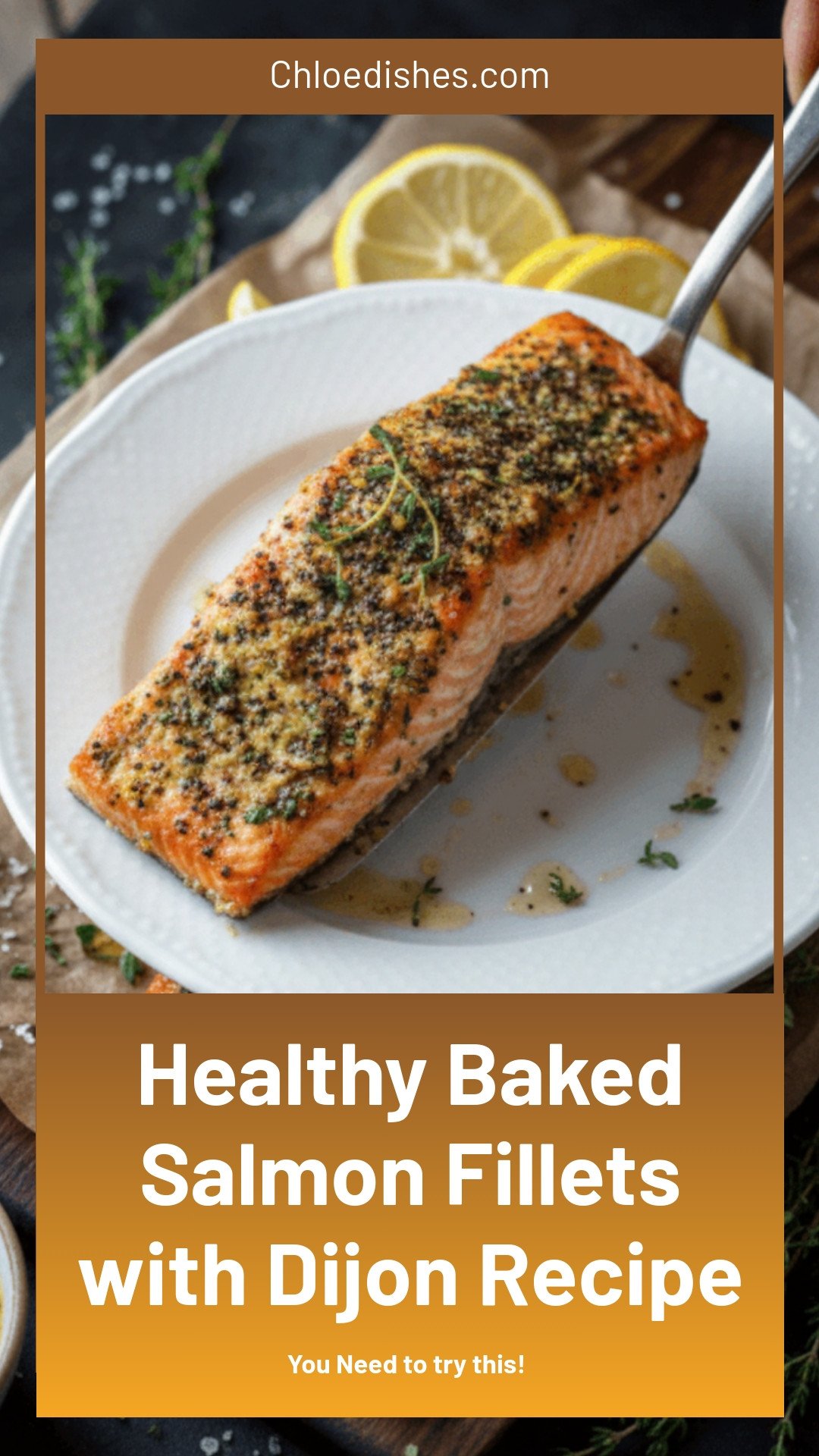
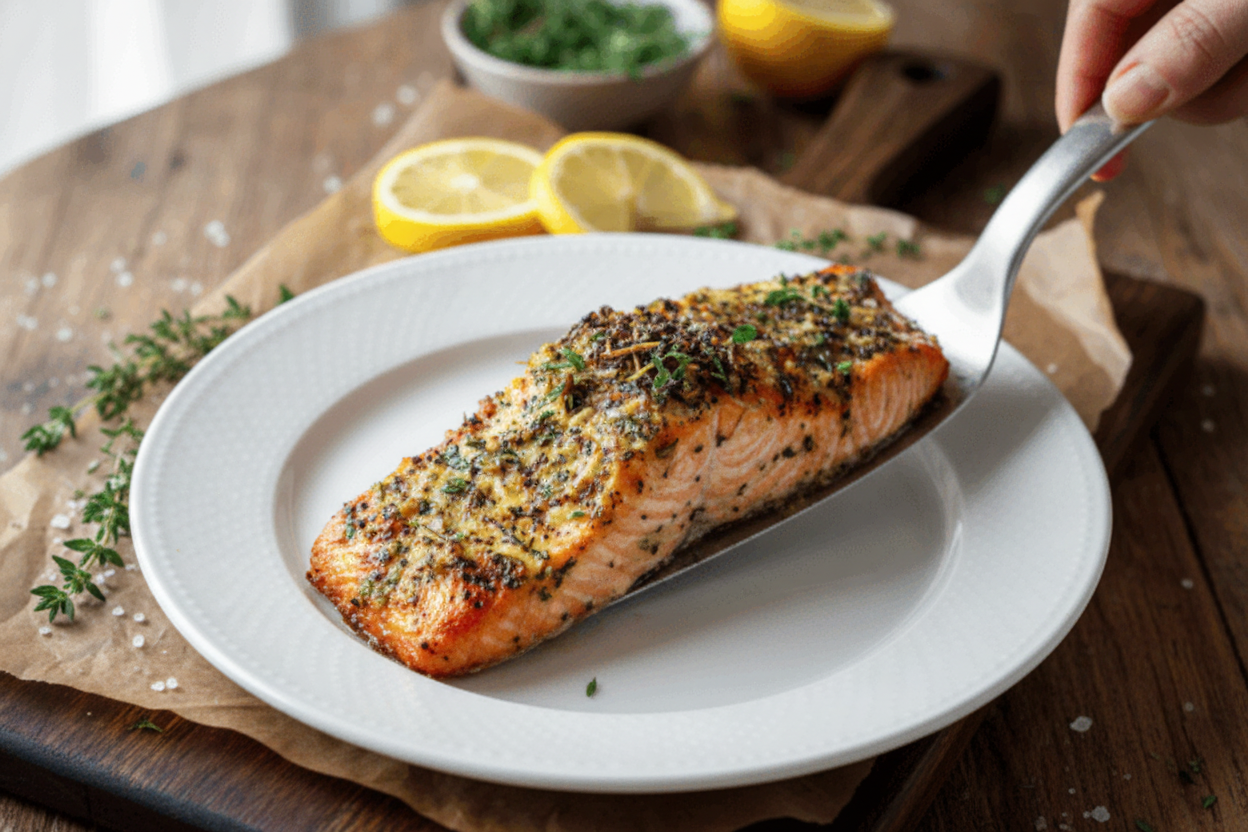
Healthy Baked Salmon Fillets with Dijon Recipe
Description
Succulent baked salmon with tangy Dijon glaze, ready in 20 mins. Healthy, flaky, and perfect for easy weeknight dinners.
Ingredients
Instructions
- Preheat your oven to 400°F (200°C).
- In a mixing bowl, whisk together the Dijon mustard, olive oil, honey, lemon juice, and minced garlic until well combined.
- Place the salmon fillets in a baking dish, skin side down. Season with salt and pepper.
- Brush the Dijon mixture generously over each fillet, ensuring even coverage.
- If desired, cover the baking dish loosely with aluminum foil to retain moisture.
- Bake in the preheated oven for 12-15 minutes, or until the salmon flakes easily with a fork and is opaque in the center.
- Remove from the oven, and let it rest for a few minutes. Garnish with fresh parsley or dill, if using.
- Serve warm with your choice of side dishes, such as steamed vegetables or rice.



Leave a Reply